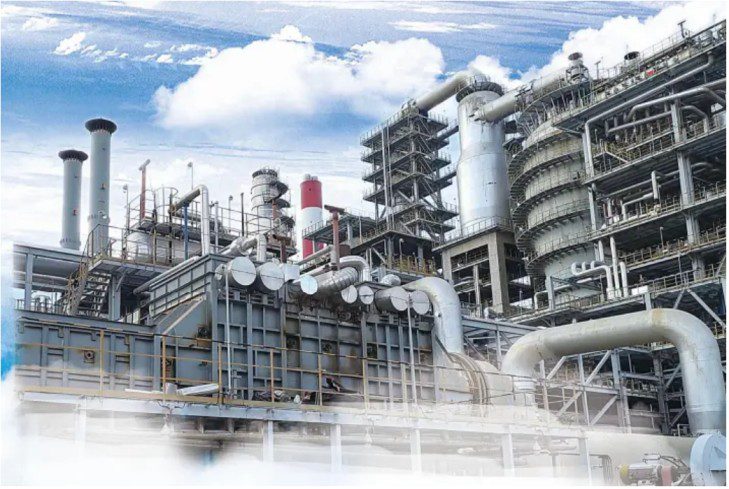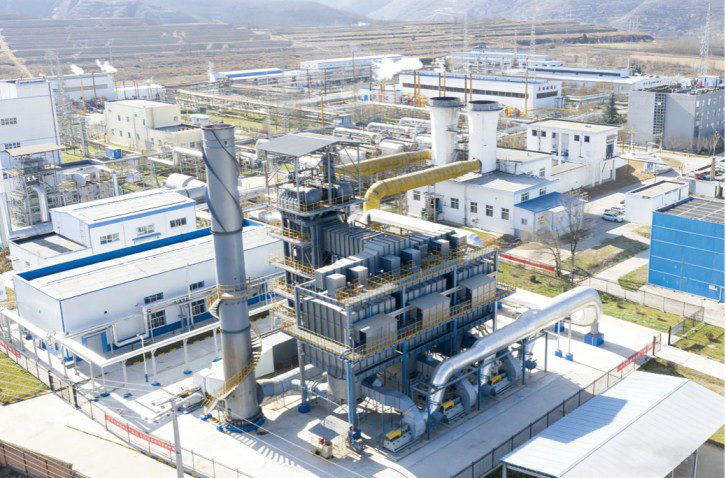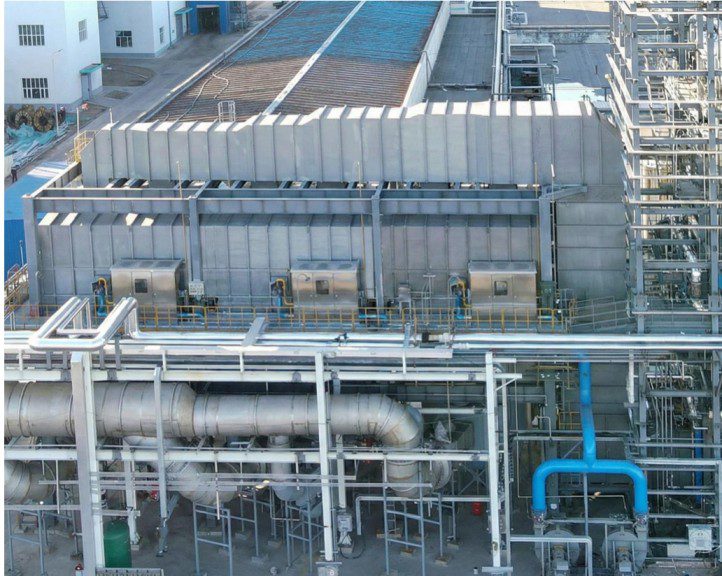
Industrial enterprises around the world face increasing pressure to reduce air pollution from volatile organic compounds (VOCs) and hazardous emissions. As nations tighten their environmental requirements, Chinese industries are accelerating the adoption of advanced pollution control technologies. Among these, Regenerative Thermal Oxidizers (RTOs) have emerged as the gold standard for destroying VOCs and hazardous air pollutants (HAPs) from industrial exhaust streams.
This comprehensive guide is designed for engineers, plant managers, procurement professionals, and environmental compliance leaders. It explains what RTOs are, how they work, and why they are critical for navigating China’s evolving regulatory landscape.
1. Why VOC Emissions Matter — China’s New Environmental Context
China has moved beyond basic pollution control to sophisticated environmental management. While the “Blue Sky Defense War” set the foundation, the current focus has shifted toward the synergistic control of PM2.5 and Ozone, with VOCs being a primary precursor to both.
Furthermore, China’s “Dual Carbon” goals (Carbon Peak by 2030, Carbon Neutrality by 2060) have fundamentally changed industrial equipment selection. Facilities must now prioritize technologies that are not only effective but also energy-efficient.
Key policy drivers include:
The 14th Five-Year Plan: Emphasizing coordinated control of greenhouse gases and pollutants.
Standard GB 37822-2019: The comprehensive “Standard for Fugitive Emission of Volatile Organic Compounds,” which sets strict thresholds for unorganized emissions.
Industry-Specific Action Plans: Targeting high-emission sectors like petrochemicals and coatings.
In this context, RTOs are favored because their high thermal efficiency aligns perfectly with both emission reduction mandates and low-carbon initiatives.
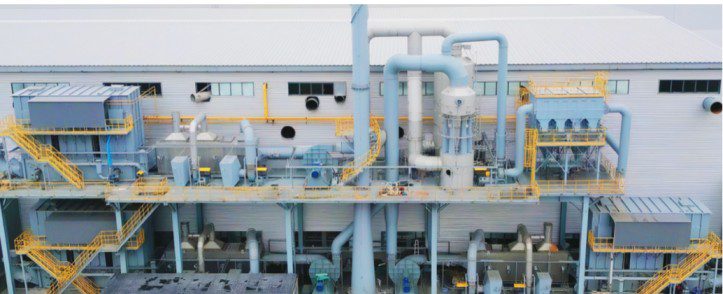
2. What Is a Regenerative Thermal Oxidizer (RTO)?
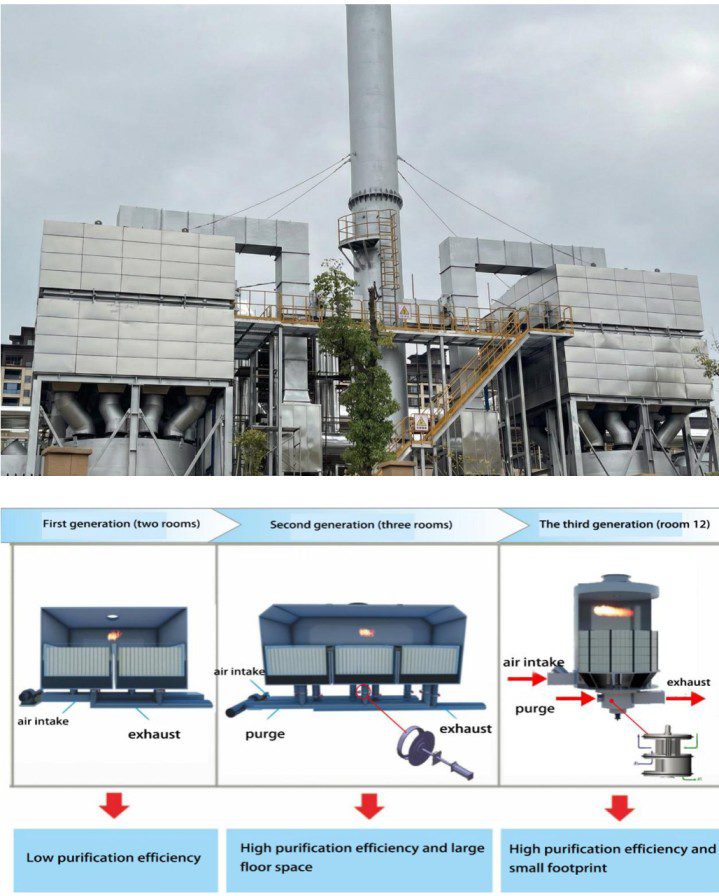
A Regenerative Thermal Oxidizer (RTO) is an industrial air pollution control device designed to destroy VOCs by oxidizing them at high temperatures. Unlike traditional incinerators, an RTO uses regenerative heat recovery technology to preheat incoming polluted air with heat captured from outgoing cleaned air.
The Core Advantage:
High Destruction Efficiency: Typically destroys 99%+ of VOCs.
High Thermal Efficiency: Recovers 95%+ of the heat generated, often allowing the system to sustain itself (auto-thermal operation) with little to no auxiliary fuel once running.
3. How RTOs Work: Step‑by‑Step
Understanding the RTO workflow builds confidence in system design and operation.
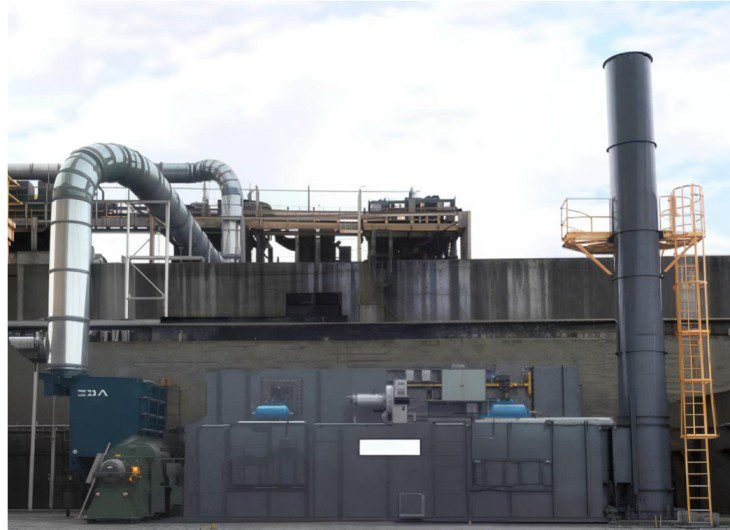
Inlet & Capture: Industrial exhaust gas containing VOCs is collected and directed into the RTO system via a fan.
Regenerative Preheating: The gas passes through a bed of ceramic heat exchange media. This media absorbs heat from the previous cycle, preheating the incoming gas close to the oxidation temperature.
Combustion & Oxidation: The gas enters the combustion chamber, where it is maintained at high temperatures (typically 760°C – 870°C / 1400°F – 1600°F). Here, VOCs oxidize into harmless water vapor (H₂O) and carbon dioxide (CO₂), releasing thermal energy.
Heat Recovery: The hot, clean gas passes through a second ceramic bed, transferring its heat to the media for the next cycle, before being released through the stack.
4. Industrial Applications Where RTOs Shine
RTOs are most effective for processes with medium-to-high air volumes and low-to-medium VOC concentrations. Key sectors include:
Chemical Manufacturing: Reactor vents and solvent handling.
Coating & Automotive: Spray booths for vehicles and metal parts.
Printing & Packaging: Flexible packaging drying and ink curing.
Pharmaceuticals: Process vents and fermentation exhaust.
Lithium Battery Manufacturing: Coating and drying processes (a rapidly growing sector in China).
5. Business and Operational Benefits
Energy Efficiency and ROI
The standout feature of an RTO is its ability to recover up to 95-97% of thermal energy. For many facilities, once the VOC concentration reaches a certain level (often 1.5 – 2 g/m³), the system becomes auto-thermal, requiring zero natural gas support. This massive reduction in operating costs often results in an ROI (Return on Investment) of just 18 to 24 months compared to direct thermal oxidizers.
Regulatory Future-Proofing
With standards like GB 37822-2019 becoming stricter, purchasing an RTO ensures long-term compliance. High destruction efficiency (99%+) safeguards factories against future regulatory tightening and environmental penalties.
Corporate Social Responsibility (CSR)
Effective VOC removal eliminates odors and improves local air quality, significantly reducing complaints from neighboring communities and enhancing the company’s reputation.
7. Challenges and Safety Considerations
Safety is the top priority for Chinese manufacturers. Modern RTOs must address specific challenges:
Explosion Prevention (LEL Control): Since RTOs involve high heat and flammable vapors, strictly managing the Lower Explosive Limit (LEL) is vital. Systems must be equipped with LEL analyzers to ensure inlet concentrations never exceed 25% LEL.
Particulate Management: RTOs can clog if the exhaust contains sticky particulates (like in textile tentering). In these cases, pre-filtration or electrostatic precipitators are mandatory.
Bypass Systems: An emergency hot-side bypass and cold-side bypass are essential safety features to protect the equipment and the facility during process upsets.
8. The Future of RTO Adoption in China
The demand for RTOs is expanding beyond traditional heavy industry. As China pushes for “Green Manufacturing,” we are seeing two major trends:
Digitalization: Integration with IoT platforms for remote monitoring, predictive maintenance, and real-time emission reporting to government platforms.
Energy Integration: Advanced facilities are now using secondary heat exchangers to capture waste heat from the RTO stack to power other plant processes (like drying ovens or hot water), further contributing to carbon neutrality goals.
About the Author