Introduction to Agricultural Gearboxes in Irrigation
In the realm of modern agriculture, efficient water management stands as a cornerstone for sustainable crop production. Agricultural gearboxes designed specifically for irrigation systems play a pivotal role in this process. These mechanical devices are engineered to transmit power from a prime mover, such as an electric motor or diesel engine, to the various components of an irrigation setup, ensuring precise control over water distribution. By optimizing torque and speed, they enable farmers to irrigate vast fields with minimal energy loss, thereby enhancing overall productivity.
The evolution of agricultural gearboxes has been driven by the need for reliability in harsh environmental conditions. Exposed to dust, moisture, and extreme temperatures, these gearboxes must withstand rigorous demands while maintaining operational efficiency. As global water resources become increasingly scarce, the integration of advanced gearboxes in irrigation systems not only conserves water but also supports eco-friendly farming practices.
Key Components of an Irrigation Gearbox
At the heart of any agricultural gearbox for irrigation lies a series of interconnected components that work in harmony. The primary elements include the input shaft, which receives power from the source, and the output shaft, which delivers it to pumps or pivots. Gears, often helical or bevel types, are crucial for reducing speed and increasing torque, allowing for smooth operation of heavy-duty irrigation equipment.
Bearings and seals form another essential part, providing support and protection against contaminants. High-quality lubricants are employed to minimize friction and wear, extending the lifespan of the gearbox. In advanced models, features like overload protection mechanisms prevent damage from sudden surges in load, ensuring uninterrupted irrigation cycles even during peak demands.
The Importance of Gearboxes in Modern Irrigation Techniques
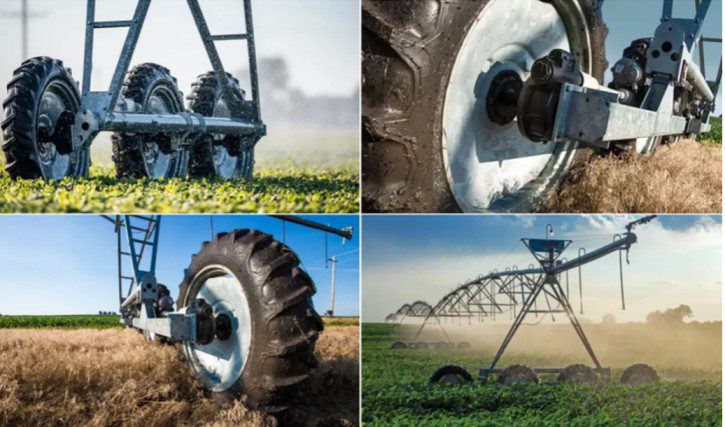
Efficient irrigation is not merely about delivering water; it involves precision to maximize crop yield while minimizing waste. Agricultural gearboxes facilitate this by powering center pivot systems, linear move irrigators, and drip irrigation setups. In center pivot irrigation, for instance, the gearbox drives the wheels that rotate the structure around a central point, covering circular fields uniformly.
This precision reduces water runoff and evaporation, aligning with sustainable agriculture goals. Moreover, gearboxes contribute to energy savings by matching the power output to the specific needs of the terrain and crop type, whether it’s flat lowland rice paddies or hilly vineyards requiring variable speed adjustments.
Benefits for Crop Health and Yield
The direct impact of reliable gearboxes on crop health cannot be overstated. Consistent water application prevents under- or over-watering, which can lead to issues like root rot or nutrient leaching. For crops sensitive to moisture levels, such as tomatoes or corn, gearboxes ensure that irrigation aligns with growth stages, promoting robust development and higher yields.
From an economic perspective, investing in durable gearboxes reduces downtime and repair costs. Farmers can achieve up to 20-30% improvements in water efficiency, translating to significant savings on utility bills and contributing to long-term farm profitability.
Types of Agricultural Gearboxes for Irrigation
Diversity in gearbox designs caters to the varied needs of irrigation systems. Worm gearboxes are popular for their high torque output and self-locking feature, ideal for applications where reverse motion must be prevented, such as in hose reel irrigators. Planetary gearboxes, known for their compact size and high efficiency, are suited for portable irrigation units where space is a constraint.
Bevel gearboxes excel in changing the direction of power transmission, commonly used in lateral move systems that traverse rectangular fields. Each type is selected based on factors like load capacity, speed requirements, and environmental exposure, ensuring optimal performance across different agricultural landscapes.
Selecting the Right Gearbox for Your System
Choosing an appropriate gearbox involves assessing several criteria. Load rating must match the irrigation system’s demands to avoid premature failure. Gear ratio determines the balance between speed and torque; a lower ratio suits high-speed pumps, while a higher one is better for slow-moving pivots.
Material quality is paramount—corrosion-resistant alloys like stainless steel or coated cast iron are recommended for wet environments. Compatibility with existing equipment, such as PTO shafts or electric drives, further streamlines integration, allowing farmers to upgrade without overhauling the entire setup.
Maintenance and Longevity of Irrigation Gearboxes
Proper maintenance is key to extending the service life of agricultural gearboxes. Regular inspections for signs of wear, such as unusual noises or vibrations, can preempt major issues. Lubrication schedules should be adhered to, using oils that resist breakdown under high temperatures and humidity.
Cleaning regimes help remove accumulated debris, while alignment checks ensure that shafts remain properly positioned to avoid stress on gears. In regions with seasonal irrigation, off-season storage in dry, protected areas prevents rust and degradation.
Common Challenges and Solutions
Challenges like overheating or seal failures are common in irrigation gearboxes due to continuous operation. Implementing cooling fins or advanced sealing technologies mitigates these risks. For gearboxes in saline water environments, anti-corrosive coatings provide an extra layer of defense.
Proactive monitoring through IoT sensors can alert farmers to potential problems, enabling timely interventions. By addressing these challenges, gearboxes can achieve lifespans exceeding 10-15 years, offering reliable performance season after season.
Future Trends in Agricultural Gearbox Technology
The future of agricultural gearboxes for irrigation is shaped by innovations in smart farming. Integration with automation systems allows for variable speed control based on real-time soil moisture data, optimizing water use through AI-driven adjustments. Lightweight composite materials are emerging, reducing weight without compromising strength, which is beneficial for mobile irrigation units.
Sustainability drives the shift towards energy-efficient designs that incorporate regenerative braking or solar-compatible inputs. As climate change intensifies water scarcity, these advancements will empower farmers to adapt, ensuring food security for growing populations.
Environmental Impact and Sustainability
Beyond functionality, modern gearboxes contribute to environmental stewardship. By enabling precision irrigation, they reduce groundwater depletion and minimize chemical runoff into ecosystems. Energy-efficient models lower carbon footprints, aligning with global efforts to combat climate change.
Adopting such technologies supports regenerative agriculture, where soil health is preserved through balanced watering, fostering biodiversity and long-term land viability.
About the Author